
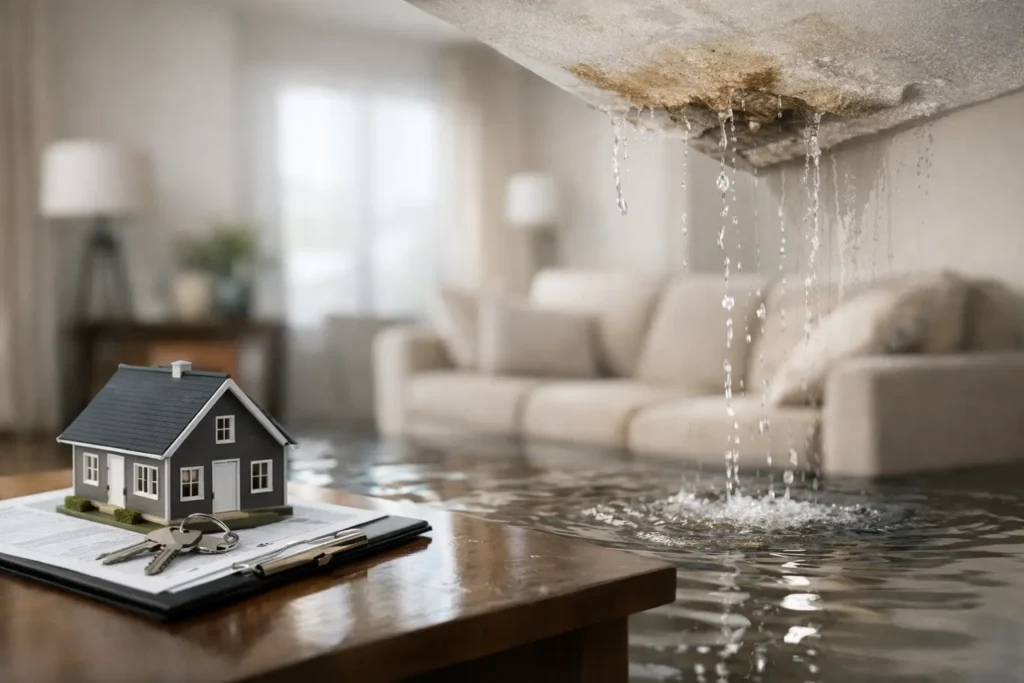
A pipe bursts behind the washing machine on a Saturday morning, and within minutes the laundry room is soaked, the flooring is buckling, and water is moving toward the hallway. In that moment, most homeowners ask the same question: does home insurance cover water damage? The honest answer is yes in many cases, but not all water damage is treated the same.
That distinction matters more than most people realize. Home insurance is built around sudden and accidental damage, not ongoing maintenance issues or preventable wear and tear. If you understand where that line is, you are far less likely to be caught off guard when you need to file a claim.
Does home insurance cover water damage in general?
In many standard homeowners policies, water damage is covered when it comes from a sudden, accidental event inside the home. Think of a burst pipe, an overflowing appliance, or a plumbing failure that causes immediate damage to walls, floors, cabinets, or personal property. In those situations, the policy often helps pay to repair the damaged parts of the home and replace covered belongings, up to your limits and subject to your deductible.
What is usually not covered is water damage that develops slowly over time. If a small leak under a sink drips for months and causes rot, mold, or staining, an insurer may see that as a maintenance issue rather than a covered loss. The same goes for long-term seepage, neglected repairs, and damage that could have been reduced with reasonable upkeep.
This is why the question is not only whether home insurance covers water damage, but what caused the water damage in the first place.
What types of water damage are usually covered?
Covered claims often start with an event that is sudden, accidental, and unexpected. If a pipe freezes and bursts during a cold snap, many policies will cover the resulting water damage, as long as the home was reasonably maintained and heated. If your dishwasher line breaks or a water heater ruptures without warning, that is also commonly covered.
Roof leaks can be a little more nuanced. If a storm damages the roof and rain enters the home, the interior water damage may be covered because the storm created the opening. But if the roof was already worn out and water enters through old shingles that should have been replaced, coverage may be denied.
Overflow from plumbing fixtures can also be covered in certain cases. If a toilet overflows because of a sudden blockage, the resulting damage may fall under your policy. The exact wording depends on the carrier, and some situations involving backups require separate protection.
A good rule of thumb is this: if the water came from a sudden problem and you could not reasonably have prevented it, there is a stronger chance your policy will respond.
What types of water damage are usually excluded?
The biggest exclusion homeowners run into is flood damage. If water enters your home from outside due to rising water, heavy rain accumulation, overflowing rivers, or surface water moving across the ground, standard home insurance does not usually cover it. Flood insurance is typically separate.
Sewer and drain backups are another common gap. If water backs up through a sump pump, floor drain, or sewer line, the damage is often excluded unless you added water backup coverage by endorsement.
Gradual leaks are a frequent source of frustration as well. Insurance is not designed to replace old plumbing, fix long-term deterioration, or pay for damage caused by neglect. If an insurer finds signs that a leak existed for weeks or months, that can affect the claim.
Homeowners should also know that the policy may cover the water damage itself, but not always the part that failed. For example, if a pipe bursts inside a wall, the insurer may pay for tearing out part of the wall and repairing the water damage, but not necessarily for replacing the old pipe unless the policy says otherwise.
Why the cause of the water matters so much
Water damage sounds like one category, but insurers separate it by source. Water from a broken plumbing line is viewed differently than water seeping through a foundation. Rain entering through storm damage is different from groundwater entering a basement. Backup from a clogged drain is different from overflow from a broken appliance.
That is why two homeowners can both have soaked floors and receive very different claim outcomes. The damage may look similar, but the origin changes everything.
Policy language also varies between carriers. One company may offer broader options for backup coverage or hidden water damage, while another may be more limited. For families comparing policies, the cheapest premium is not always the best value if it leaves major water exposures unprotected.
Does home insurance cover water damage from storms?
Sometimes yes, but again, it depends on how the water got in. If wind or hail damages the home and rain enters through that damage, the resulting interior loss may be covered. If a tree falls on the roof during a storm and water enters, that is often a covered claim.
If the storm causes flooding outside the home and that water rises into the structure, standard homeowners insurance usually does not cover it. That falls under flood insurance.
This can be confusing after severe weather because one storm may create multiple kinds of water loss at the same property. Part of the damage may be covered under the homeowners policy, while another part may require flood coverage or backup protection.
What to do right away after water damage
If you have water damage, your first priority is safety. Shut off the water source if possible, turn off electricity to affected areas if it is safe to do so, and take steps to prevent further damage. Insurance policies generally expect homeowners to protect the property after a loss.
Document everything before cleanup gets too far. Take clear photos and videos of the source, the standing water, the damaged materials, and any affected belongings. Keep receipts for emergency mitigation, drying services, or temporary repairs.
Then report the claim promptly. Waiting too long can make the damage worse and may complicate the claims process. If you work with an independent agency like Lunar Financial Group, this is where having responsive support really matters. You want help understanding what your policy may cover and what information the carrier will need.
How to reduce surprises before a claim happens
The best time to review water damage coverage is before there is water on the floor. Many homeowners assume they are protected for every type of water loss, only to learn later that flood or sewer backup was not included.
Start by reviewing your homeowners policy for exclusions and endorsements. Ask whether you have water backup coverage, whether your policy has any limitation on hidden leaks, and whether your home would benefit from separate flood insurance. If you have a finished basement, a sump pump, or older plumbing, these questions become even more important.
It also helps to look at your deductible and personal property limits. A lower premium may come with a deductible that feels manageable until a water loss actually happens. The right policy should fit your budget, but it should also fit the way you live and the risks your home actually faces.
Maintenance still plays a major role. Replace aging hoses on washing machines, inspect caulking around tubs and showers, keep gutters clear, and address small leaks early. Insurance is there for sudden accidents, but routine upkeep is still one of the best defenses against a costly loss.
The bottom line for homeowners
So, does home insurance cover water damage? Often yes, when the damage is sudden and accidental. Often no, when it comes from flooding, backups without added coverage, or long-term neglect. That may sound like a narrow difference, but in insurance, small details make a big difference.
If you are not fully sure what your current policy would do after a burst pipe, a basement backup, or a major storm, that is worth reviewing now rather than later. Peace of mind comes from knowing where your protection starts, where it stops, and whether there are simple ways to close the gap before the next unexpected leak turns into a much bigger problem.